
How i work
Therapy with me starts by getting to know you — the experiences that have shaped your life and the ways they may still influence how you think, feel, and respond today.
In sessions, we begin to notice how those ways of responding show up in your life and explore how they developed, so they become something you can understand rather than something that happens to you.
My work is grounded in humanistic counselling. In simple terms, this means I see you as the expert in your own life. My role is not to judge or direct you, but to help you understand yourself more clearly.
At the heart of therapy is the relationship we build together — one that feels real, thoughtful and attentive to what matters to you.
Finding Your Way Back to Yourself
Many people come to therapy carrying a persistent sense that they are simply not good enough.
Perhaps there was an expectation that you should be well-behaved. Not cause trouble. Do what you were told without questioning it too much.
Maybe there were assumptions about how you should look, behave, who you should love, or the kind of life you were meant to live.
Over time, these expectations can become so familiar that they start to feel like part of who you are.
Part of the work in therapy is gently naming those expectations and understanding where they came from. Rather than trying to silence them, we become curious about the role they’ve played in your life — often finding that the pressure softens once it is seen more clearly.
From there, many people begin to feel more able to trust their own instincts, values and desires, and to shape their lives in ways that feel more truly their own.
Therapy That Adapts to You
While my work is rooted in person-centred counselling, I also draw on other therapeutic perspectives when they are helpful.
In practice, this means therapy stays flexible and responsive to you. Some sessions focus on something that happened this week. Others explore experiences from earlier in your life, or look towards the direction you want your life to move in next.
Over time, we may find ourselves exploring different “seasons” of your life— the ones that felt warm and expansive, and the ones that felt colder or harder to get through. Both deserve attention. Both are part of your story.
At other times, I might invite you to step outside the usual conversation. This could involve writing a letter to a younger version of yourself, sharing an image or meme that captures something you’ve struggled to explain, or exploring an experience through metaphor, a piece of music that resonates with you, or something visual like doodling with colour or creating a collage.
The approaches that inform my work include Transactional Analysis, Gestalt therapy, Compassion-Focused Therapy and Solution-Focused work.
The Space I Create
Sitting across from me in therapy, you won’t find someone who stays distant or neutral while analysing you.
I show up as a real person in the room — present, engaged and willing to meet you honestly. Within the relationship we build together, what you care about becomes important to me too. If something hurts you, we’ll slow down and give it the care it deserves. And if something brings you joy, we’ll make space for that as well.
I’m firmly on your side. Think of me as your cheerleader — someone who believes in you and wants the best for you, while also being honest with you. If something doesn’t quite line up with the life you say you want, I’ll gently name it so we can explore it together.
There’s room here for humour, for swearing when the moment calls for it, and for real emotional reactions when something meaningful is being talked about.
Most importantly, our sessions are a place where you don’t have to perform or present a polished version of yourself. You can arrive exactly as you are.
Honesty
Sometimes therapy means noticing things you haven’t fully seen yet — or things part of you haven’t felt ready to look at.
For example, you might realise that although you want a healthy relationship, you keep ending up with people who leave you feeling unhappy. Rather than rushing past that, we slow down and look at it together.
My role isn’t to judge or push you, but to help you notice what’s happening with honesty and care, so you can decide what you want to do next.
Warmth
People often come to therapy after spending a long time holding things together on the outside, while feeling overwhelmed, stuck or exhausted underneath.
As we begin to explore what’s been going on, vulnerable, painful or confusing feelings can come up. When they do, I stay with you in it. I won’t dismiss you, minimise what you’re feeling, or rush you towards feeling better.
Warmth, in therapy, is not about being overly gentle. It’s about being met in a way that helps you feel safe enough to let your guard down.
Realness
Therapy with me isn’t stiff or overly polished. You don’t have to arrive saying the “right” things — if part of you didn’t want to come to therapy that day, we can talk about that too. There’s room for honesty, for telling me if I’ve misunderstood you, and for saying the thing you might usually keep to yourself. I’m not here to be right. I’m here to understand you and how you experience your life.
Realness, to me, means you don’t have to perform here.
Identity, Difference and Belonging
As a woman of colour, I’m aware of how identity, culture, race and heritage shape how we see ourselves and how we move through the world.
In our work together, these parts of you aren’t overlooked or reduced to labels — they’re something we can speak about openly and explore in a way that feels grounded in your experience.

Many of the people I work with are:
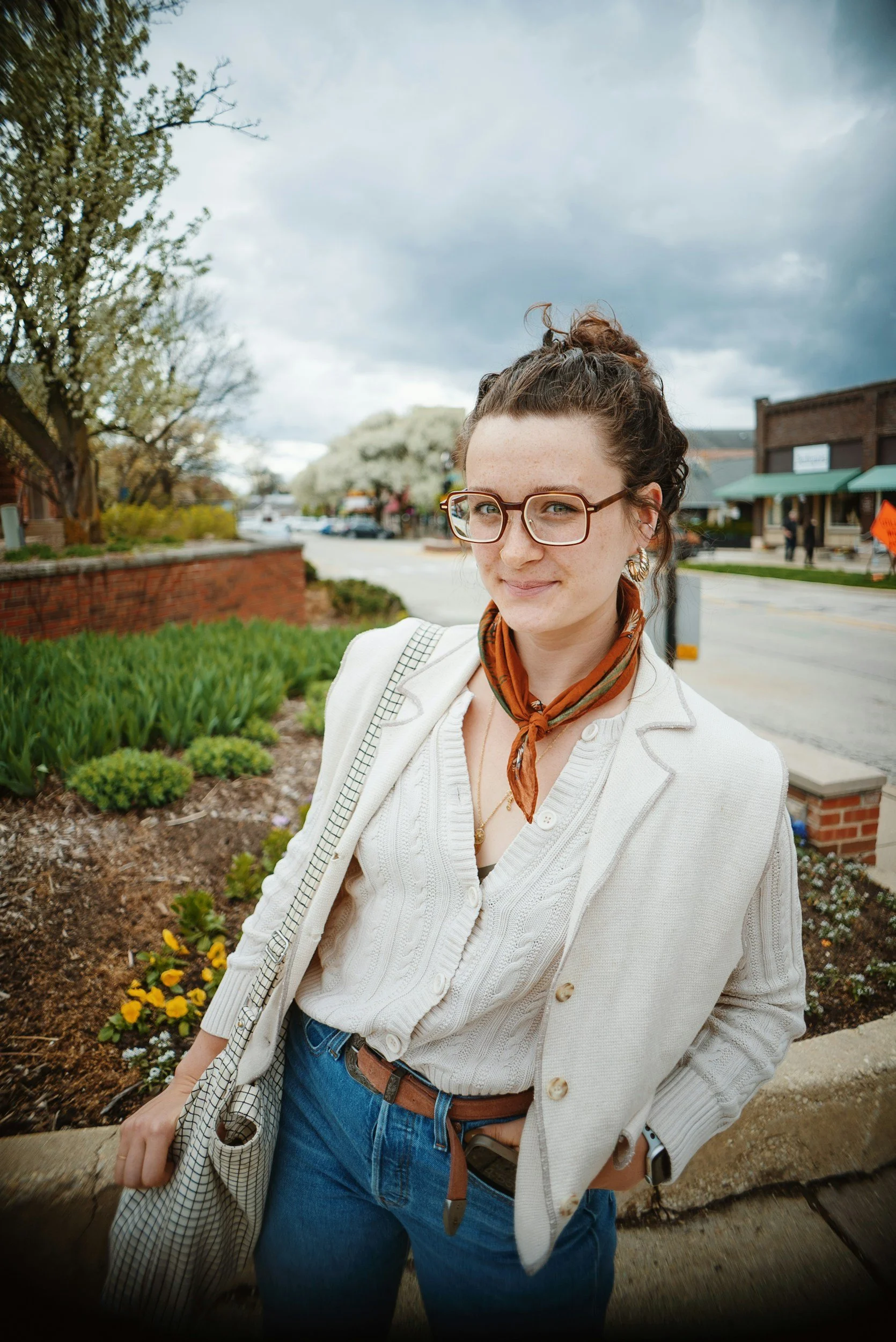
Millennial and Gen-Z adults who feel disconnected from what they thought life would look like, or who are questioning identity, belonging and self-acceptance.
People from racially diverse backgrounds, where cultural expectations, family dynamics or experiences of difference have shaped how they understand themselves and their place in the world.
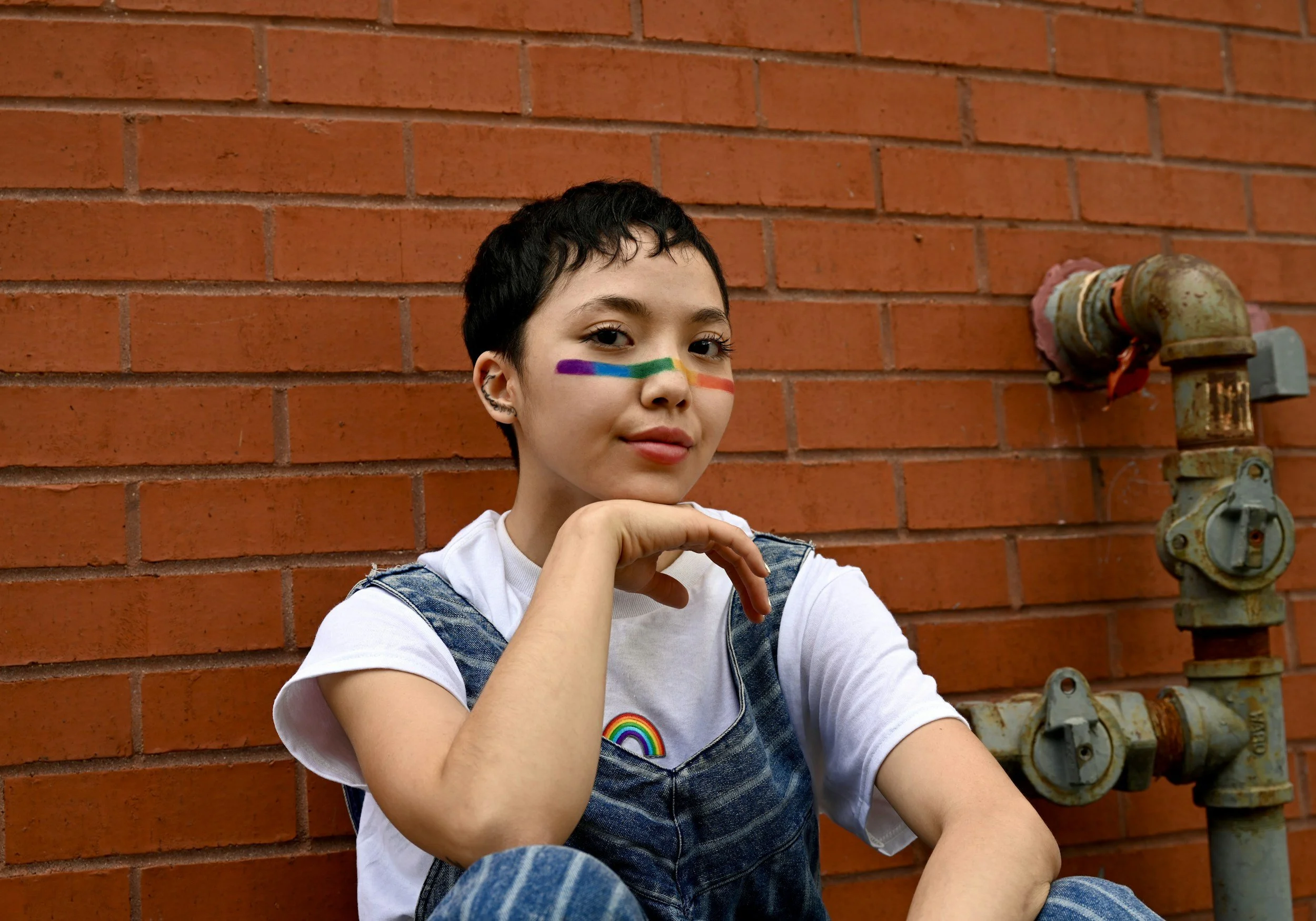
LGBTQ+ people, and people exploring relationship diversity such as ethical non-monogamy or polyamory.
Neurodivergent people who want therapy that understands their way of thinking and experiencing the world, rather than trying to interpret it through a neurotypical lens.
I don’t pathologise or diagnose, and I don’t see people as problems to be fixed. My role is to sit alongside you as you explore your experience, in a way that helps you feel more connected to yourself and clearer about what matters to you.
In-Person & Online Therapy
I currently offer therapy both in-person (in West London) and online, ensuring that clients can access support from the comfort of their home. No matter how we connect, I strive to create a supportive, non-judgmental space where you can begin to heal and grow.
Taking the next step
If this resonates, you’re welcome to get in touch. The first step is a free 20-minute consultation - a chance to talk things through, ask questions and see whether working together feels right for you.